
How pool cleaning robots work, and how they compare with suction and pressure cleaners
Robotic, suction-side and pressure-side pool cleaners explained, plus corded vs cordless robots and how to match a cleaner to your pool.
The quick answer
A robotic pool cleaner has its own motor, filter and drive system, so it works independently of your pool pump, scrubs the floor and often the walls and waterline, and traps debris in an onboard basket. Suction-side cleaners use the pool pump’s suction and send debris to the main filter; pressure-side cleaners use water pressure, often from a booster pump. Robots cost more upfront but usually clean more thoroughly and reduce load on the pool’s filtration system.
Three types of automatic pool cleaner
| Type | Powered by | Where debris goes | Typical strengths |
|---|---|---|---|
| Robotic | Its own motor and battery or cable | Onboard filter basket | Thorough, independent, often walls and waterline |
| Suction-side | The pool pump’s suction | The pool’s main filter | Simple and low cost |
| Pressure-side | Pump pressure, often a booster pump | Its own debris bag | Good with larger debris like leaves |
What makes a robot different
Because it carries its own motor and filter, a robotic cleaner does not depend on your pool pump running, and it does not load the main filter with debris. It navigates with sensors and gyroscopes, scrubs with brushes, and many models climb walls and clean the waterline where a scum line forms. Some newer robots also skim the water surface.
You lift it out, empty the basket and recharge or store it. That routine is the main ownership task, so check how easy the filter is to access and whether the robot parks at the surface for retrieval.
Corded or cordless
Corded robots draw power from a supply unit beside the pool, so runtime is not limited by a battery, but the floating cable can tangle and has to be stored. Cordless robots are simpler to drop in and leave nothing across the deck, but each session is limited by battery life and they need charging between runs. For large pools or long cycles, check rated runtime against your pool size.
Matching a cleaner to your pool
- Pool size and shape: check the rated pool length and runtime.
- Surface: vinyl, fiberglass, concrete and tile can need different brushes.
- What needs cleaning: floor only, walls, the waterline or the surface.
- Debris: fine dust, sand or large leaves each favor different filters.
- Retrieval: surface parking or a caddy makes daily use far easier.
What a robot does not do
A pool robot removes debris and scrubs surfaces. It does not balance water chemistry or replace sanitizing. Keep up with testing and treatment; a robot simply makes the physical cleaning automatic.
Your questions, answered.
Do robotic pool cleaners need the pool pump to run?
No. They have their own motor and filter and work independently of the pool pump.
Are cordless pool robots as good as corded ones?
They can clean just as well. The difference is runtime and convenience: cordless robots avoid a cable but are limited by battery life.
Does a pool robot replace chemicals?
No. It removes debris and scrubs surfaces; water testing and sanitizing are still needed.
How often should I run a pool robot?
Many owners run one a few times a week, more often when trees drop leaves or during heavy use. Follow the manufacturer’s cycle guidance.
Ready to choose?
Robots we recommend in pool robots
See all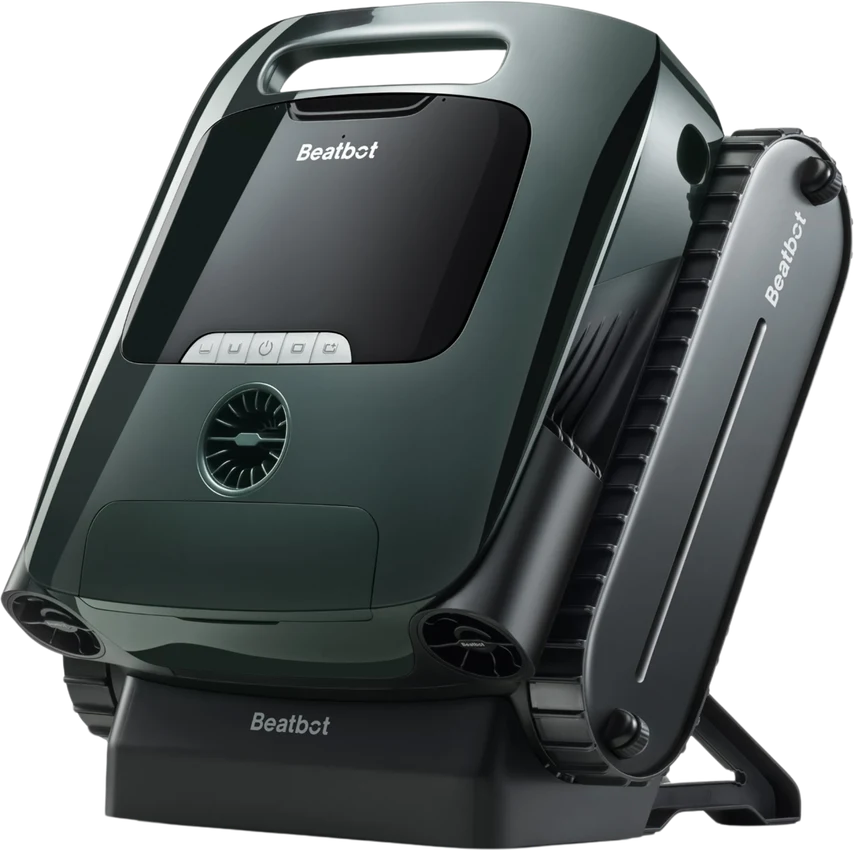
Beatbot AquaSense 2 Pro
One robot. More of your pool covered.
Best for Pool owners who want surface and underwater cleaning
Read the review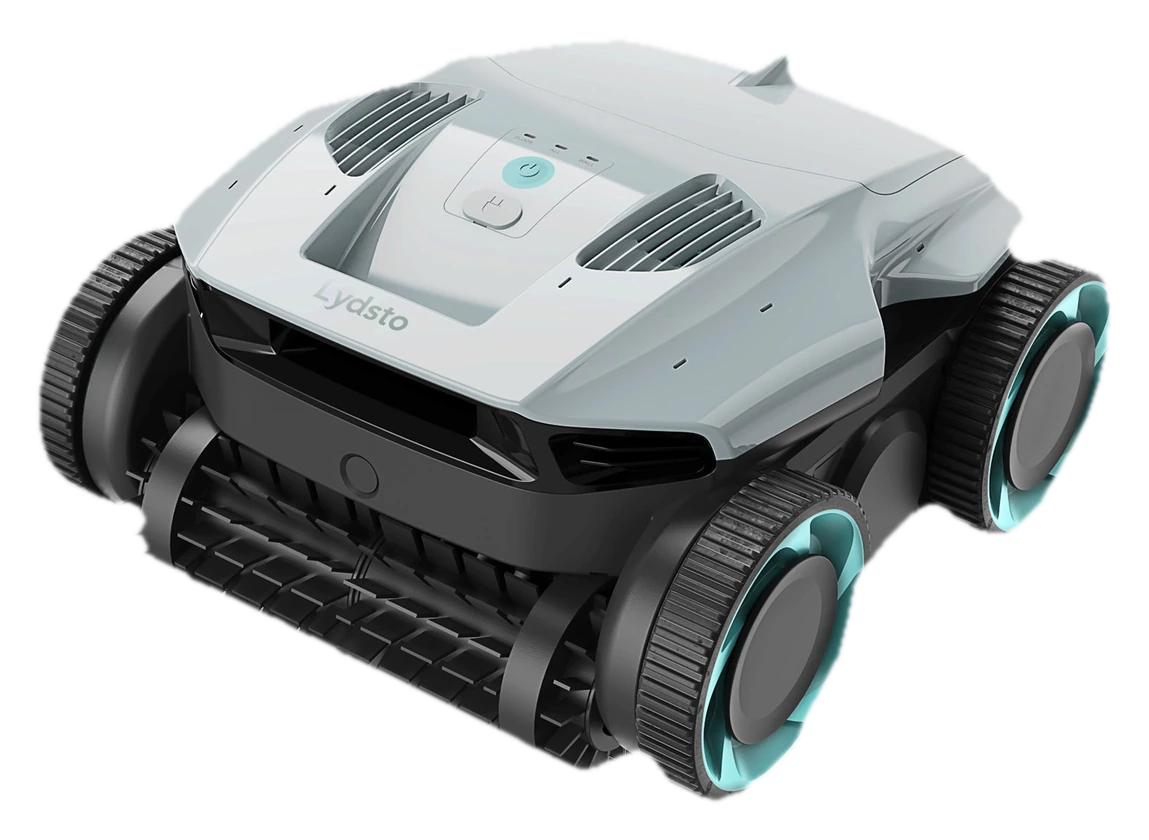
Lydsto Robot Pool Cleaner S3
Cordless coverage for more of the pool.
Best for In-ground or above-ground pools up to 2,000 sq. ft. where floor, wall and waterline cleaning matter
Read the review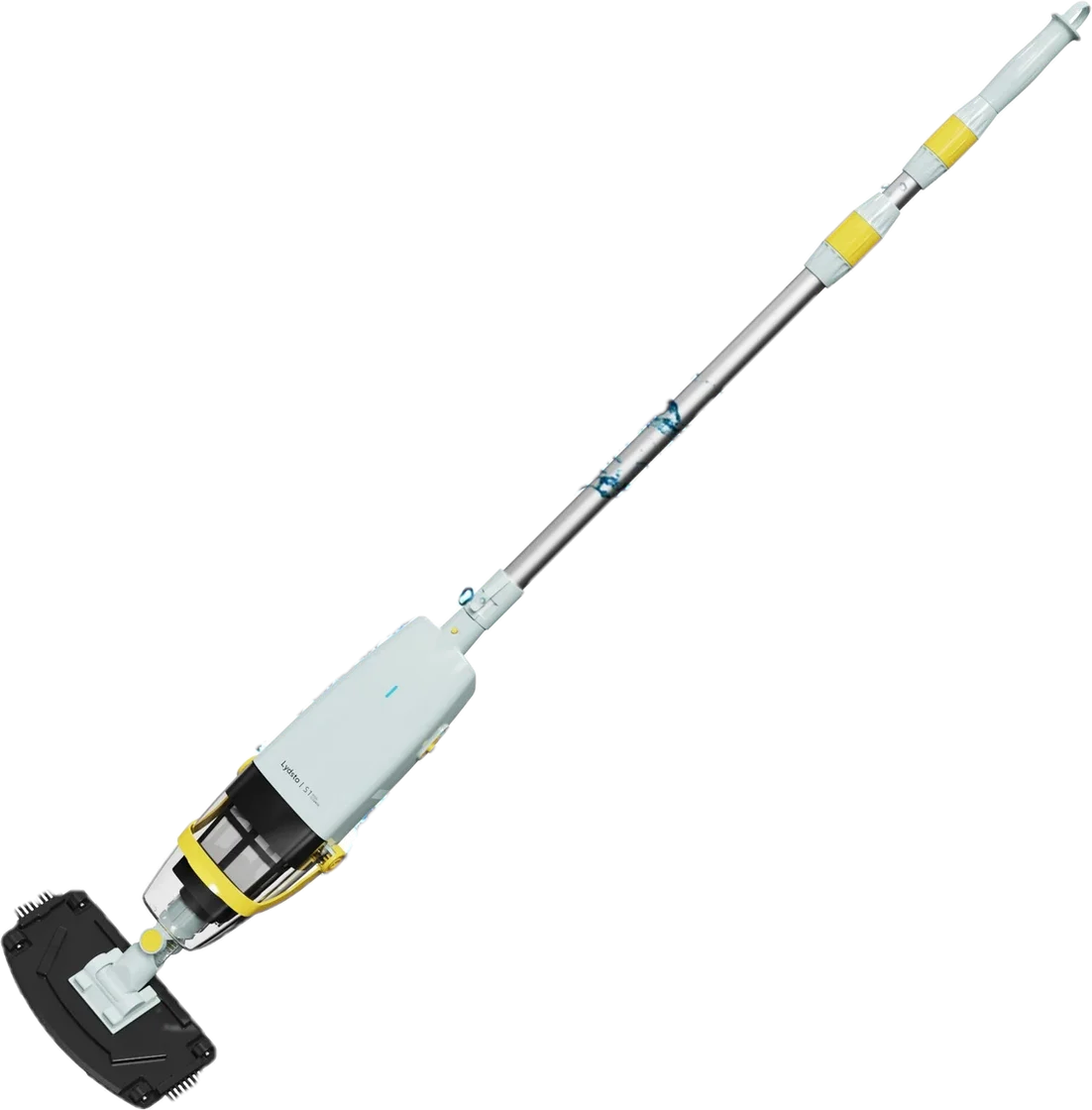
Lydsto S1 Cordless Pool Vacuum
A cordless, pole-mounted pool vacuum for quick top-ups between deep cleans.
Best for Above-ground and in-ground pools, spas and hot tubs where you want to vacuum sand, leaves and small debris by hand without a hose or a cord.
Read the review