
Window robot suction: how it stays on glass
Understand the pressure, drive grip, edge sensors, backup power and tether behind suction-based window robots.
Robot Current may earn a commission from qualifying purchases through affiliate links. How this works.
The quick answer
Many consumer window robots use a fan to lower the air pressure beneath a sealed cleaning pad. The higher pressure outside the robot pushes it against the glass, while its drive system moves it across the pane. Sensors help it navigate edges, and some models add backup power and fall protection. These systems work together, but the tether and the manufacturer’s setup instructions remain essential.
Suction creates the grip
A suction-based window robot contains a fan that draws air from the space between its body, cleaning pad and the pane. That makes the pressure under the robot lower than the air pressure on its outer surface. The difference pushes the robot toward the glass. The fan must keep that pressure while the machine moves, so a poor seal, unsuitable surface or damaged pad can affect its hold.
This is pressure, not magnetism. The models in our window-cleaner guide use powered suction and need access to just one side of the glass. A pascal figure describes pressure, but it does not tell you on its own whether a robot fits a particular pane or how it will clean.
The drive system moves without losing contact
Belts, wheels or moving cleaning pads carry the robot across the surface. Their contact with the glass provides traction against gravity while the fan maintains suction. A window robot has to manage both jobs at once: enough grip to stay in place and enough controlled movement to follow a cleaning path.
Designs differ. ECOVACS describes a water-resistant synchronous belt for the WINBOT W2 OMNI, while Proscenic describes automatic pressure adjustment for the W10 Pro. These are manufacturer design claims, not a guarantee that a machine will hold on every surface or condition.
Sensors help it read the pane
Edge and frame sensors help a robot recognize where the glass ends and adjust its route. Proscenic lists frameless-edge detection on the W10 Pro, and Robolta lists it on the G6 Max. Other sensors may check for lift-off, obstacles or a change in contact. They guide the robot; they do not create the suction that holds it to the window.
A frame, handle, narrow pane or textured finish can change what the sensors see. Check the exact model’s minimum pane size and supported glass conditions in its manual instead of assuming that every smooth-looking surface is suitable.
Backup power and the tether cover different risks
Some models keep suction active for a limited time if their main power is interrupted. ECOVACS says the W2 OMNI can remain attached for over 30 minutes at low power, and Proscenic lists 30-minute power-outage protection for the W10 Pro. Backup behavior and duration vary by model, so confirm what the manufacturer specifies.
The safety rope is a separate safeguard: it is meant to catch or restrain the robot if it loses its hold. Attach it to the secure point specified in the manual every time. Battery backup does not replace the tether, and a tether does not make an unsafe reach or unsupported pane safe.
Use the robot only on a supported surface
Before starting, check the glass type, pane dimensions, frame, angle and access conditions against the manual. Fit the correct cloth, keep it in good condition and use only a cleaning solution the manufacturer permits. Place and remove the robot from a safe position, supervise it as instructed and keep the tether clear of the route.
Window robots reduce repeated wiping on compatible panes. They do not remove the need to prepare the machine, move it between windows and clean its cloths afterward.
Your questions, answered.
Do window-cleaning robots use magnets?
The suction-based models in our guide use fans to hold themselves against glass; they do not use magnets.
Will a window robot stay attached if its power is cut?
Some models include limited backup protection, but the duration and behavior depend on the model; secure the safety tether and follow the manual.
Does suction make a window robot impossible to drop?
No. Suction can be affected by the seal, surface and power, so use the specified tether and safety procedure on every run.
Can I use a window robot on any glass?
No. Check pane size, frame, surface and angle in the exact model’s manual before use.
Ready to choose?
Further reading & sources
Robots we recommend in window-cleaning robots
See all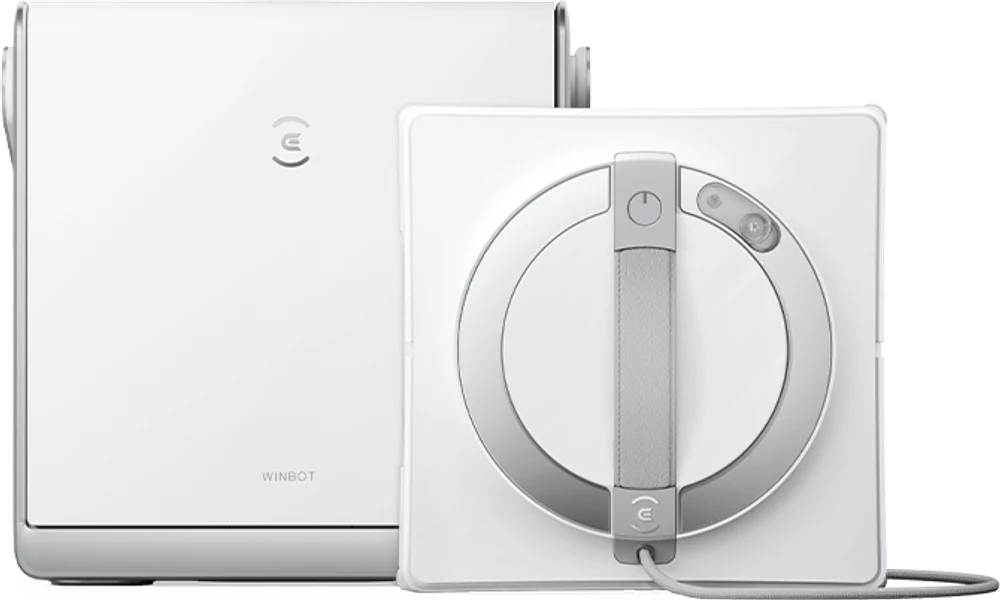
ECOVACS WINBOT W2 OMNI
A practical helper for expanses of glass.
Best for Homes with large, accessible window panes
Read the review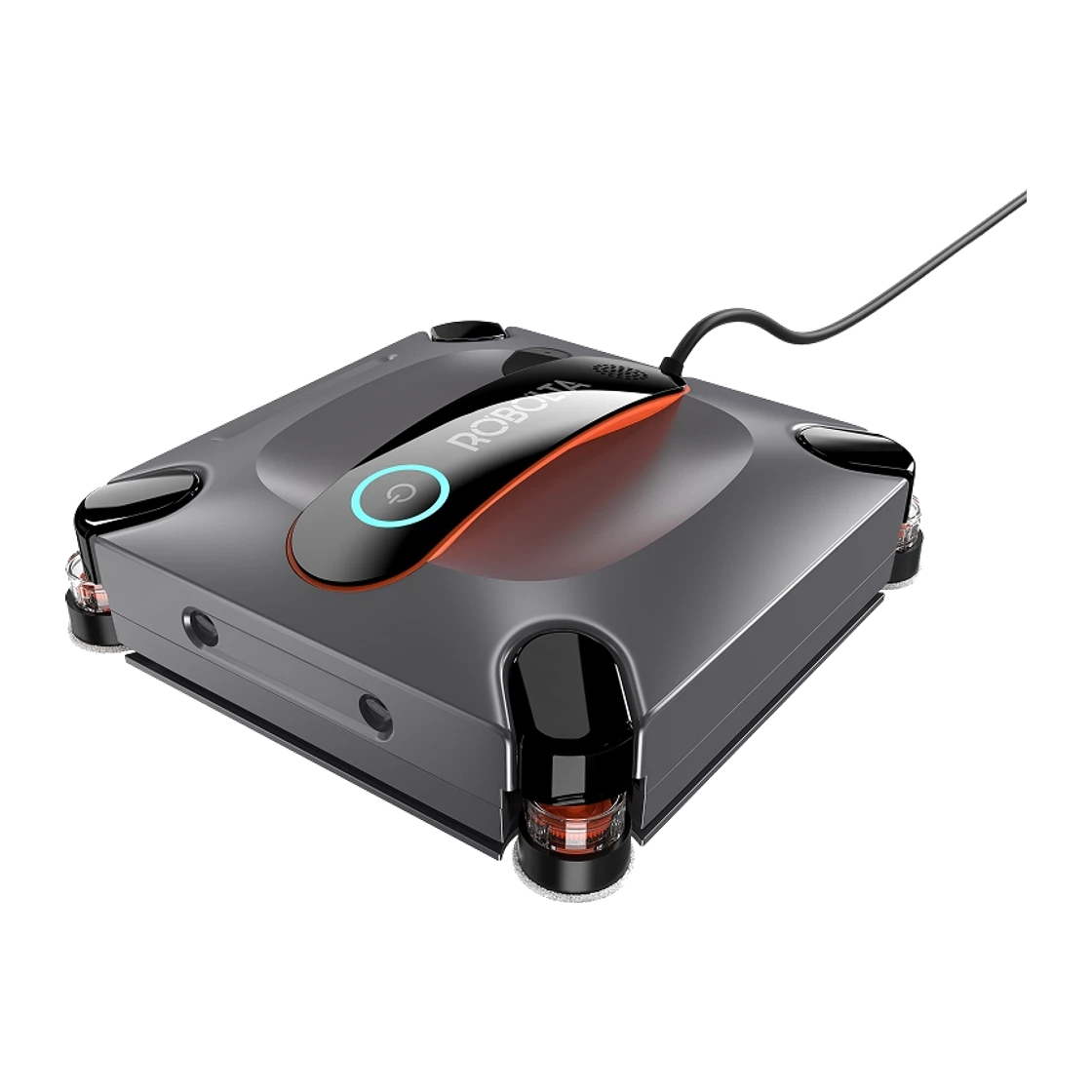
Robolta RX7 Glassmate
A window robot with edge brushes that reach the corners, for high-rise glass, shower doors and mirrors.
Best for Indian homes with high-rise windows, balcony doors, shower screens and mirrors where corners and edges matter
Read the review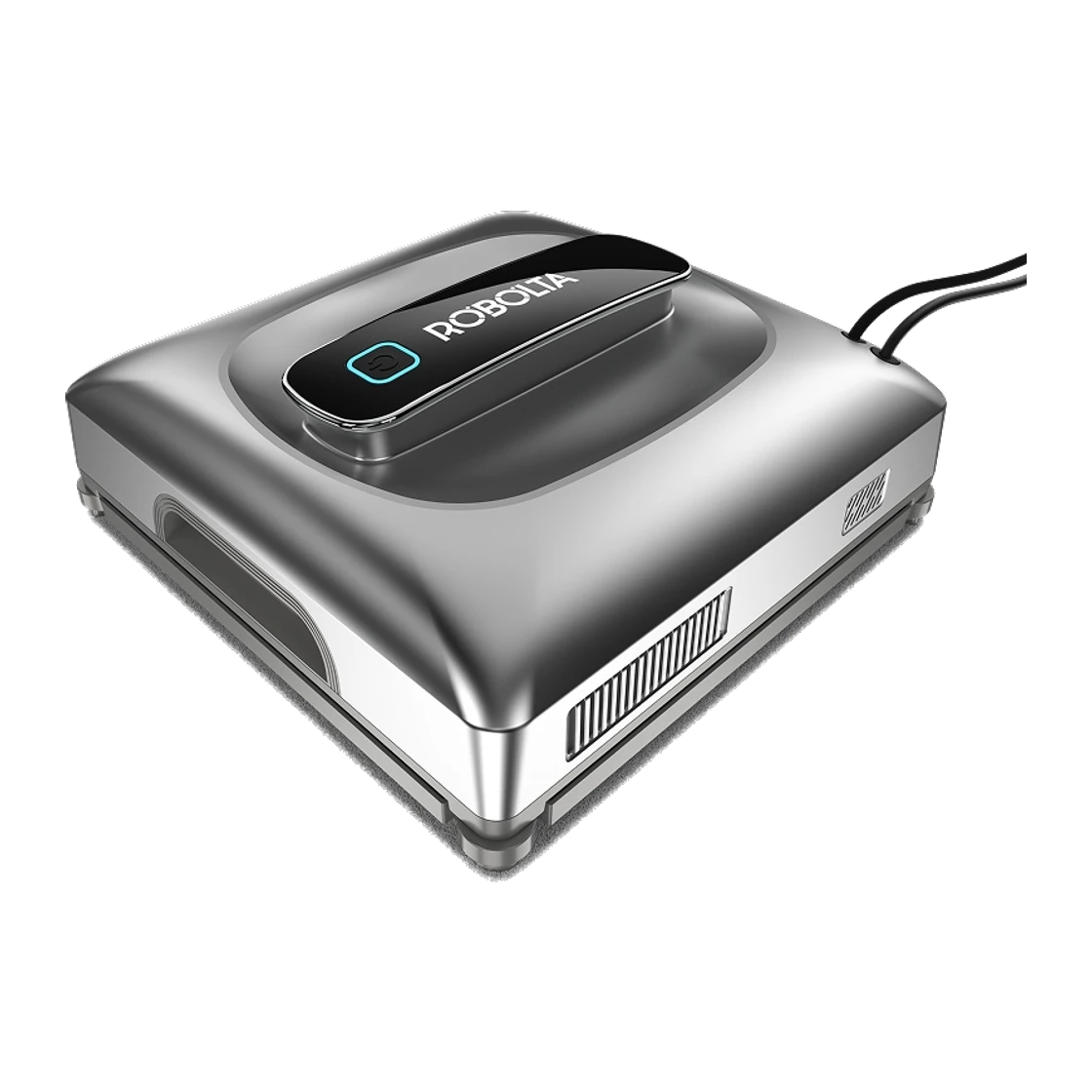
Robolta G6 Max
A rope-secured window cleaning robot that adjusts to how dirty the glass is.
Best for Indian homes and offices with large glass panes, balcony doors or high windows that are awkward to reach
Read the review