
What robot vacuum suction figures (Pa) really tell you
Why a higher Pa number does not always mean a cleaner floor, and the other features that decide how well a robot vacuum picks up.
The quick answer
Pa (pascals) measures the pressure difference a vacuum motor can create, so it indicates suction strength. It is a useful rough guide, but brands measure it in different ways and it ignores airflow, brush design and how well the robot seals against the floor. A robot with a lower Pa figure and a better brush can outperform one with a higher number. Use Pa to compare models from the same brand, and look at brushes, carpet boost and maintenance for the rest.
What a pascal measures
Suction in pascals describes how strongly the motor can lower the air pressure at the intake. More pressure difference generally means the robot can lift heavier debris and pull dust from deeper in a carpet. Manufacturers publish the maximum figure, usually measured on the highest power setting under test conditions.
Why the number is not the whole story
- Brands do not all measure suction the same way, so figures are not strictly comparable between manufacturers.
- Airflow, the volume of air moving through the robot, matters as much as pressure for picking up fine dust.
- The brush roll does most of the work on carpet. Rubber or tangle-resistant brushes keep performing as hair builds up.
- Robots run at lower power most of the time to save battery and noise; the headline figure is the maximum.
Features that matter more than another 1,000 Pa
- Carpet detection that boosts suction automatically on rugs.
- A main brush designed for your home, especially if you have long hair or pets.
- An edge or side brush that reaches corners, or an extending arm on newer models.
- A sealed path from brush to bin, with a good filter for fine dust.
- An auto-empty dock, which keeps the bin from limiting performance.
How to use suction figures sensibly
Use Pa to compare models within one brand’s range, where testing is consistent, and as a rough tier indicator across brands. Then judge the robot on the things you can see: brush design, carpet handling, bin and dock, and how easy the brush is to clear. For hard floors, almost any current robot has enough suction; the differences show up on carpets and with pet hair.
Your questions, answered.
How much suction does a robot vacuum need?
For hard floors, most current robots have plenty. For carpets and pet hair, look for carpet boost and a tangle-resistant brush as well as a higher suction figure.
Is a higher Pa always better?
Not always. Brands measure differently, and brush design, airflow and sealing affect real pickup as much as the suction figure.
What does Pa mean on a robot vacuum?
Pascals, a unit of pressure. It indicates the maximum suction pressure the motor can generate.
Ready to choose?
Robots we recommend in robot vacuums & mops
See all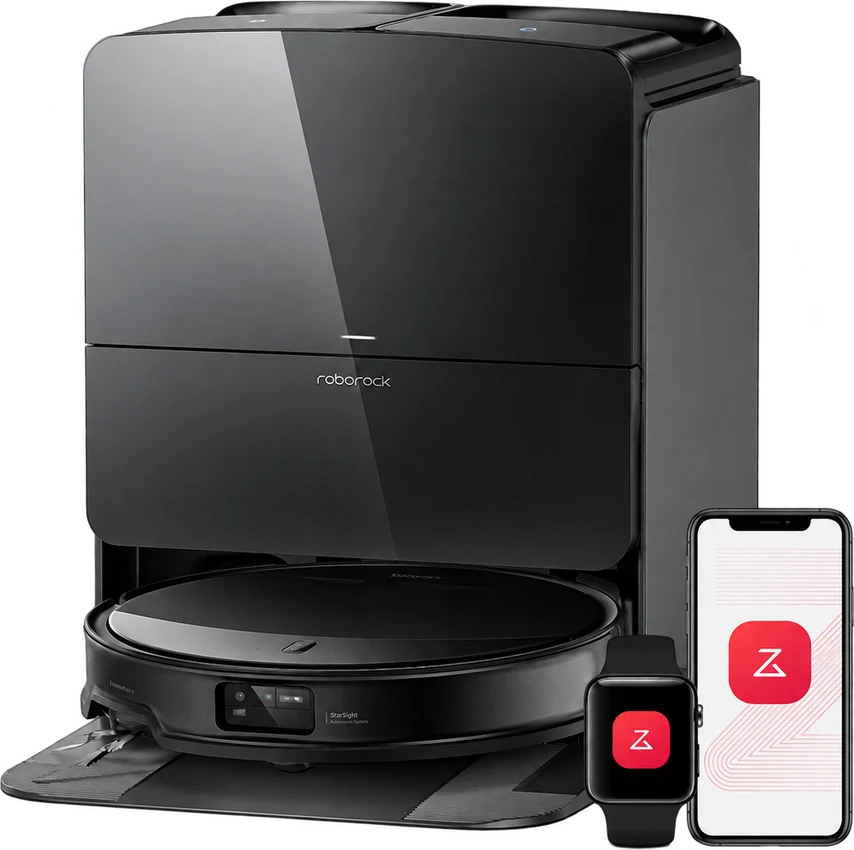
Roborock Saros 10R
A lower profile. A lighter cleaning routine.
Best for Mixed-floor homes with low furniture
Read the review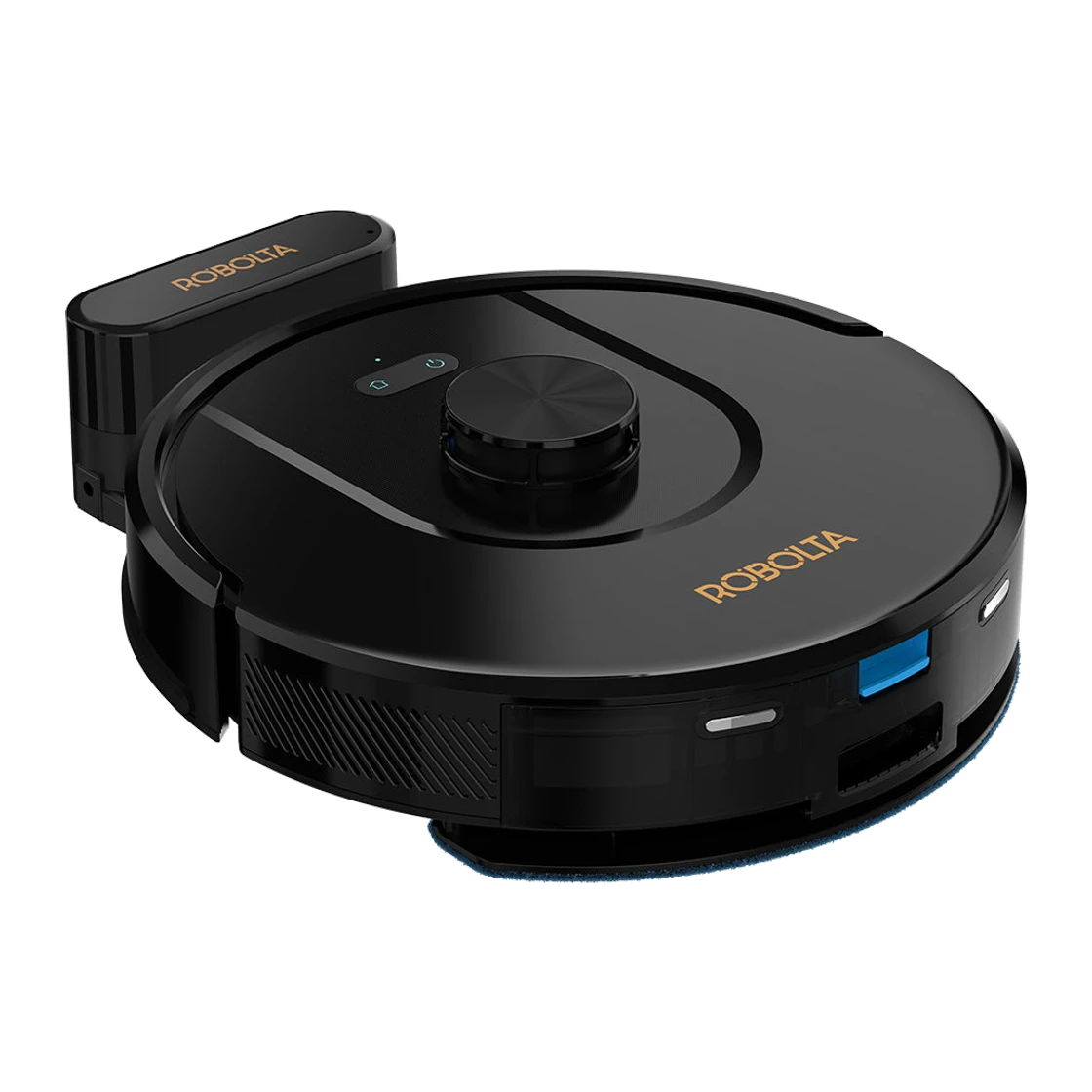
Robolta R2 Pro
LiDAR-mapped daily vacuuming and mopping with up to three hours of runtime, under ₹22,000.
Best for Indian homes that want scheduled, mapped floor cleaning at a modest price, and are happy to empty the dustbin by hand
Read the review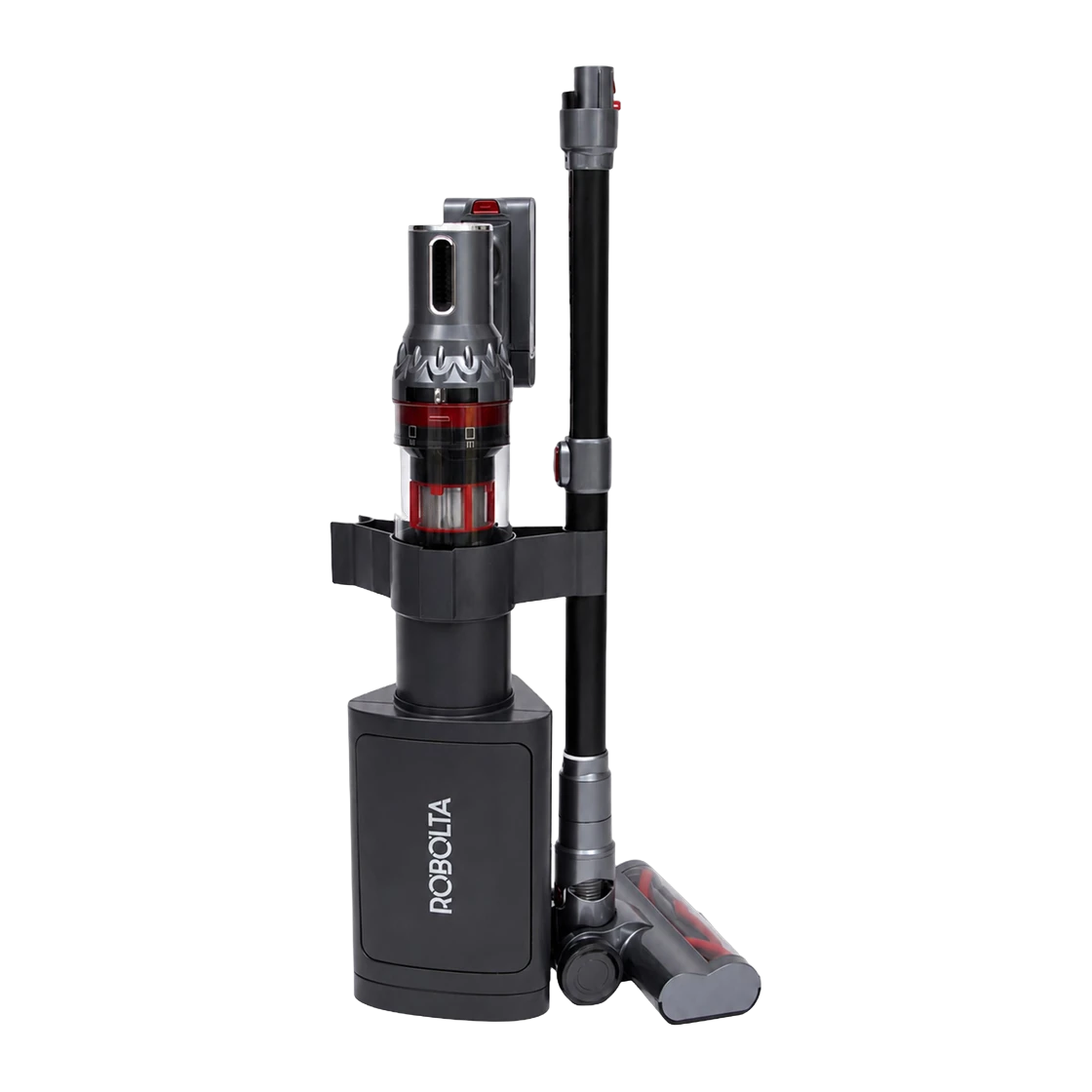
Robolta H4 Ultra
A cordless stick vacuum with 35 kPa suction and a station that empties its dust bin automatically.
Best for Indian homes that want strong cordless cleaning for floors, sofas and cars, and a dock that handles the dust
Read the review