
Getting your lawn ready for a robot mower: a setup checklist
Where to put the dock, what to clear, how to handle edges and narrow passages, and the first-week habits that make a robot mower easy to live with.
The quick answer
Before the first run, mow the lawn short with your usual mower, clear toys, hoses and debris, and choose a level, well-drained dock spot near power with clear access to the lawn. Fill holes, decide how edges and narrow passages will be handled, and plan the route between separate areas. Then start with a conservative schedule and adjust once you see how the mower handles your garden.
Choose the dock position first
The charging dock is where every mowing session starts and ends, so its location shapes everything else. Look for a flat, firm spot at the edge of the lawn with power nearby and a straight approach for the mower. Avoid low points where water collects.
For satellite-guided mowers, the dock or RTK station also needs a good view of the sky. For camera and LiDAR models, give the dock a clear line to the main lawn. Some owners add a mower garage or shelter to keep sun and rain off; check the manufacturer’s clearance guidance before building one.
Prepare the grass and the ground
- Mow to a moderate height with your normal mower first. Robot mowers maintain a lawn; they are not built to reclaim long grass.
- Fill holes and ruts that could trap a wheel, and level sharp dips at the edges.
- Remove stones, sticks, fallen fruit and anything a blade could catch.
- Check edges where the lawn meets paving. A flush edge lets the mower run along it; a raised edge or step needs a boundary set slightly inside it.
Plan routes between areas
If the mower has to reach a second lawn through a side passage or across a path, measure the narrowest point and compare it with the manufacturer’s minimum passage width. Make sure the surface is something the wheels can cross. Gravel, steps and steep ramps usually need a different approach, such as separate maps, carrying the mower or using a mower that supports multiple zones.
The first week
- Watch the first mapping run and at least one full mowing session.
- Start with a higher cutting height and lower it gradually.
- Schedule mowing for daylight and outside the times children and pets use the lawn.
- Note where the mower hesitates or gets stuck, then adjust the boundary or fix the spot.
- Turn on lift and theft alerts in the app, and record the serial number.
What a robot mower still leaves for you
Most robot mowers leave a narrow strip at hard edges and walls because the blade sits inside the body. Plan on an occasional pass with a trimmer. You will also clean the underside, check and replace blades, and look after the dock. These are quick jobs, but knowing them in advance keeps expectations realistic.
Your questions, answered.
Do I need to mow before installing a robot mower?
Yes. Cut the lawn to a moderate height with a conventional mower first. Robot mowers are designed to maintain grass, not cut long growth.
Where should a robot mower dock go?
On a flat, firm, well-drained spot at the lawn edge, near power, with a clear approach. Satellite models also need a good view of the sky.
Will a robot mower cut right up to the edge?
Usually not quite. Most leave a narrow strip at walls and raised edges, so plan an occasional trim.
How often should a robot mower run?
Little and often works best. Frequent light cuts keep the lawn even and the clippings fine enough to act as mulch.
Ready to choose?
Robots we recommend in robot lawn mowers
See all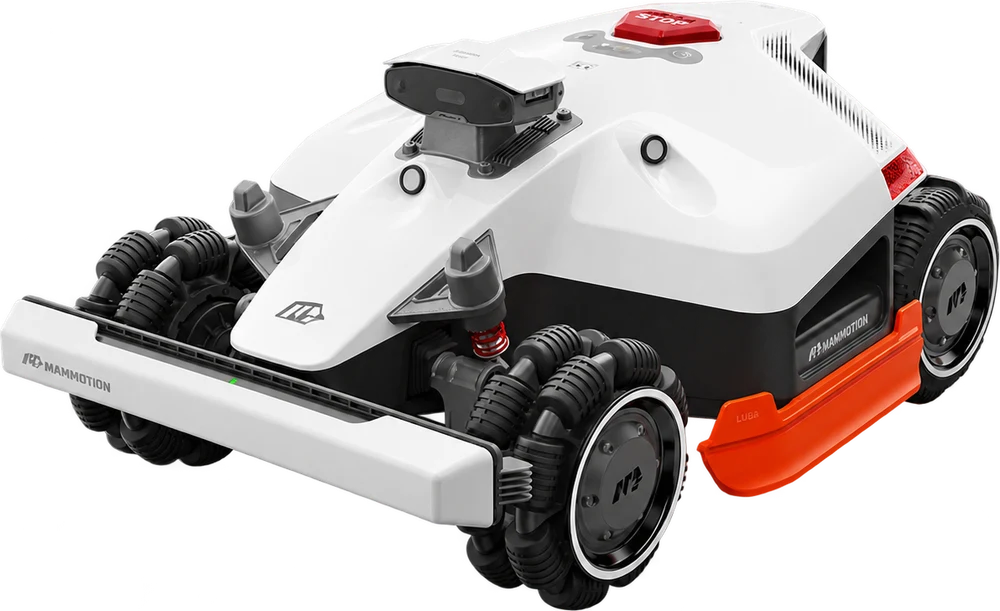
Mammotion LUBA 2 AWD
All-wheel drive for a more hands-off lawn.
Best for Uneven lawns and multi-zone gardens
Read the review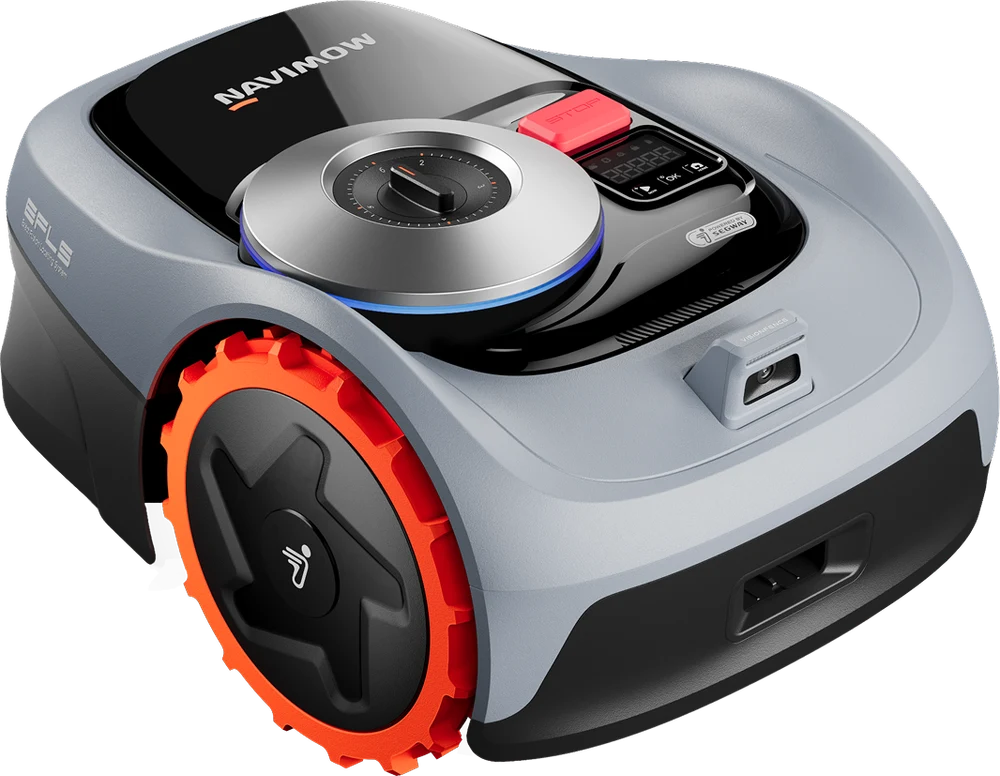
Segway Navimow i105
A considered starting point for smaller lawns.
Best for Smaller lawns within its rated coverage
Read the review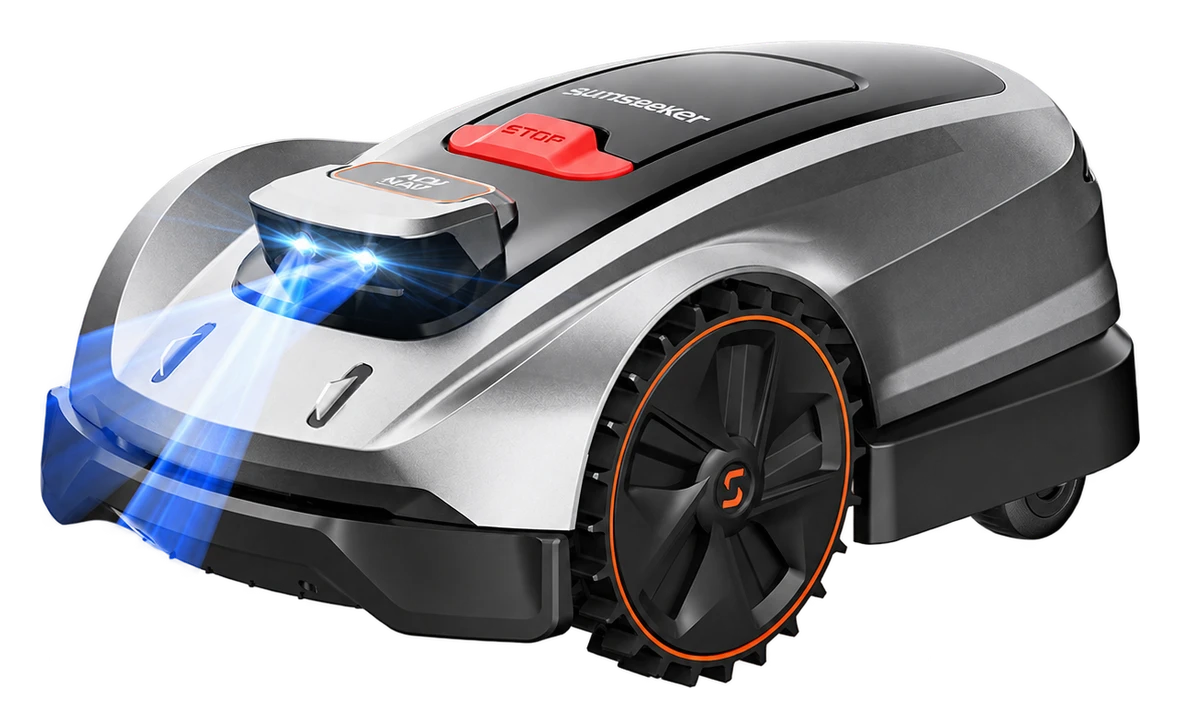
Sunseeker X3 Plus
Wire-free mowing for a more manageable weekend.
Best for Suburban lawns up to 0.3 acre with suitable navigation and dock placement
Read the review