
Robot mower safety: children, pets and garden wildlife
The safety features to look for, the scheduling habits that matter most, and how to protect hedgehogs and other night-time visitors.
The quick answer
Robot mowers use small, low-power blades, a protective body and sensors that stop the blades when the mower is lifted, tilted or bumps into something. Those features reduce risk but do not replace good habits: mow when children and pets are not on the lawn, keep the mower off at night when hedgehogs and other wildlife are active, and use the app’s child lock and alerts.
The safety features that matter
In Europe, robotic mowers are covered by a dedicated safety standard (EN 60335-2-107) that sets requirements for things like blade stopping and lift detection. Newer models with cameras and LiDAR add object recognition on top, which can help them avoid toys, shoes and animals rather than simply bumping into them.
- Lift and tilt sensors that stop the blades immediately if the mower is picked up or tipped.
- Collision sensing or obstacle detection that stops or turns the mower when it meets something.
- A large, visible stop button and a PIN or child lock on the controls.
- Blades set well inside the body, with a narrow cutting disc rather than one large blade.
- Rain sensing that sends the mower home, keeping it off slippery ground.
Schedule around people and pets
The most effective safety measure is timing. Set mowing windows when the garden is empty: during school hours, while you are at work, or early in the day. Most apps let you set multiple windows and pause mowing from your phone if plans change.
Dogs and cats usually learn to ignore a robot mower, but young or curious pets can investigate it. Supervise the first few sessions and keep pets indoors until you are confident.
Protecting hedgehogs and night-time wildlife
Hedgehogs, toads and other small animals are most active after dark and tend to freeze rather than run when something approaches. Wildlife organizations recommend not running robot mowers at night for this reason. It is the single easiest step you can take.
Schedule mowing for daylight only, check long grass and the edges of beds before the first run of the season, and leave a wild corner outside the mowing area if you can. Some mowers also have obstacle recognition that helps, but scheduling remains the reliable protection.
Theft protection and peace of mind
A robot mower lives outdoors, so security features matter too. Look for PIN locks, alarms that sound when the mower is lifted, GPS tracking and geofencing that alerts you if it leaves the garden. Register the mower with the manufacturer and keep the serial number with your home insurance details.
Your questions, answered.
Are robot lawn mowers safe around children?
They include blade-stop sensors and protective bodies, but children should not be on the lawn while it mows. Schedule mowing when the garden is empty and use the child lock.
Do robot mowers hurt hedgehogs?
They can if they run at night when hedgehogs are active. Schedule mowing for daylight only, which wildlife groups recommend.
Will a robot mower stop if my dog gets in the way?
Most stop or turn on contact, and many newer models use cameras or LiDAR to detect obstacles. Supervise early sessions and keep pets inside while it mows if possible.
Can someone steal a robot mower?
Most models have PIN codes, lift alarms and often GPS tracking, which make them far less useful to a thief. Register the mower and note its serial number.
Ready to choose?
Robots we recommend in robot lawn mowers
See all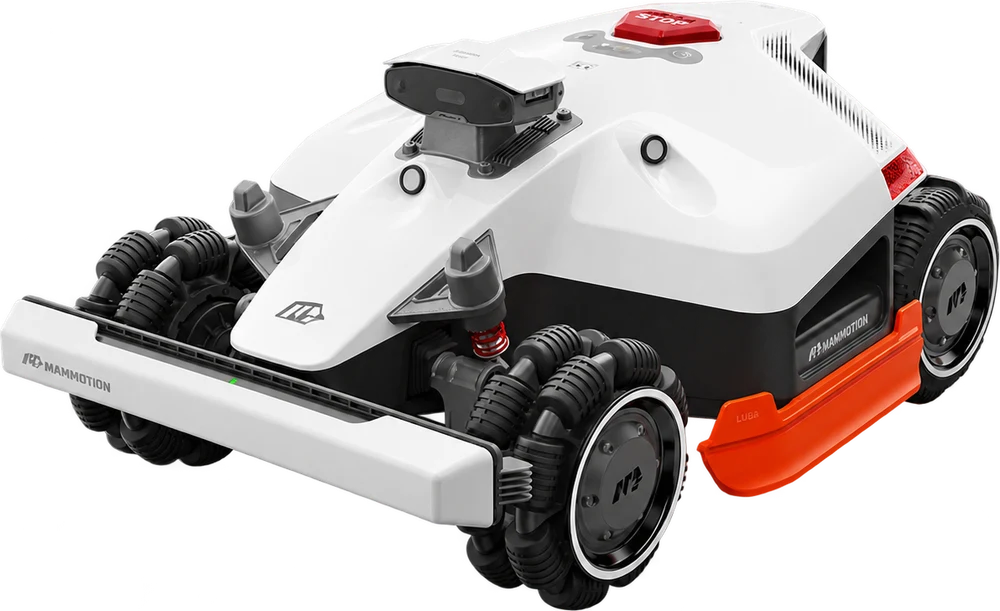
Mammotion LUBA 2 AWD
All-wheel drive for a more hands-off lawn.
Best for Uneven lawns and multi-zone gardens
Read the review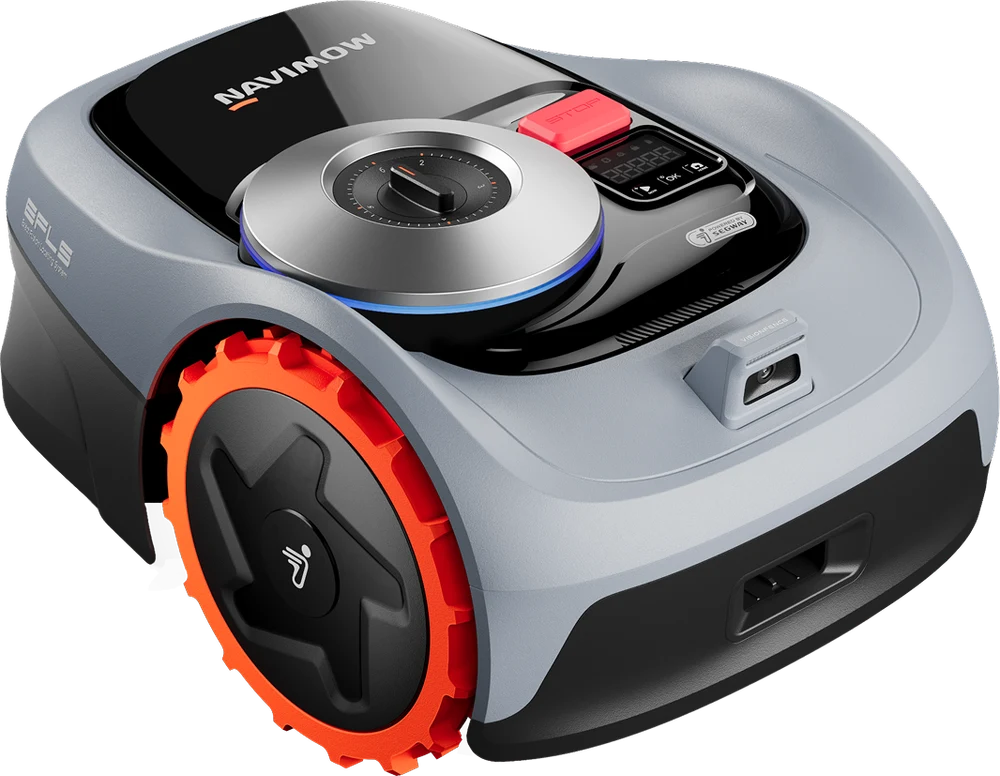
Segway Navimow i105
A considered starting point for smaller lawns.
Best for Smaller lawns within its rated coverage
Read the review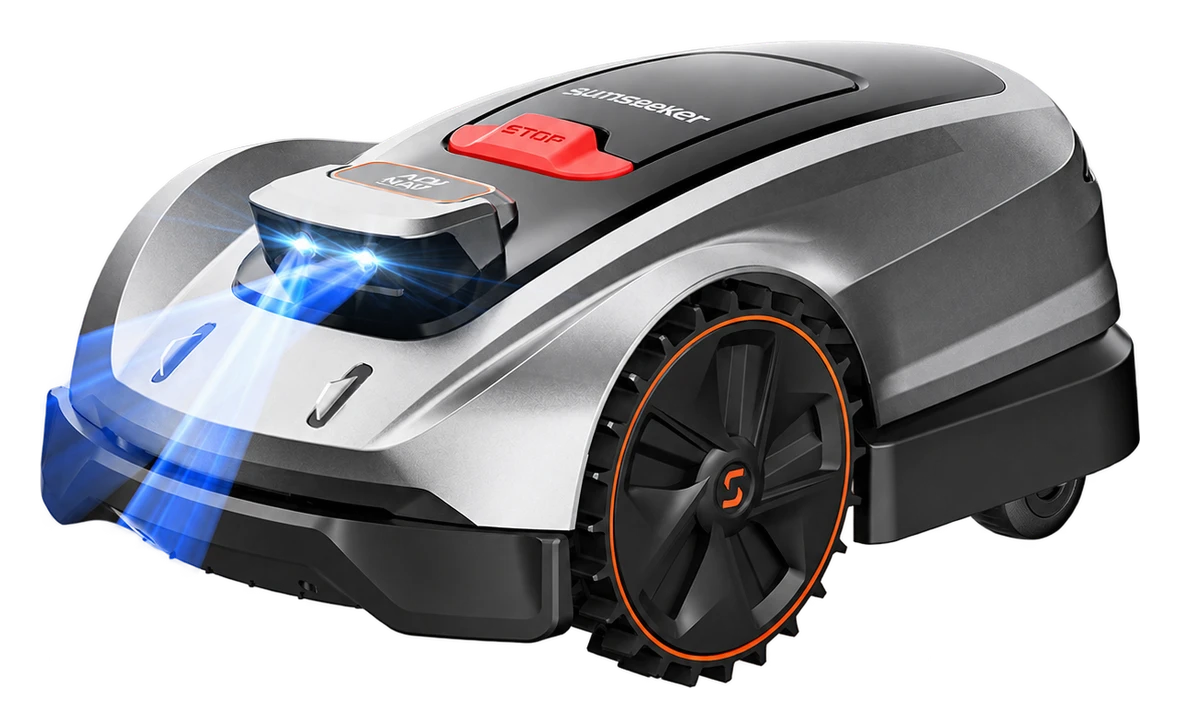
Sunseeker X3 Plus
Wire-free mowing for a more manageable weekend.
Best for Suburban lawns up to 0.3 acre with suitable navigation and dock placement
Read the review