
How robot mowers find their way: boundary wire, RTK, vision and LiDAR
The four ways robot lawn mowers navigate, what each needs from your garden, and how to pick the right one for your lawn.
The quick answer
Robot mowers navigate in one of four ways. A boundary wire buried around the lawn is the most proven and works anywhere, but takes the longest to install. RTK uses satellite positioning corrected by a base station for centimeter-level accuracy, and needs open sky. Vision systems use cameras to recognize grass and obstacles and need decent light and clear lawn edges. LiDAR scans its surroundings with a laser, so it keeps working under trees and in low light. Many new mowers combine two of these.
Boundary wire: the proven option
The original robot mowers follow a low-voltage wire pegged or buried around the edge of the lawn and around flower beds. The mower senses the signal and turns when it reaches it. It works in shade, under trees and in any weather, and it does not depend on satellites or light.
The tradeoff is installation. You lay the wire around every edge and island, and a break in the wire stops the mower until it is found and repaired. Changing the layout later means moving wire. Aerating or edging the lawn can cut it if you forget where it runs.
RTK: satellite positioning with a correction station
RTK stands for Real-Time Kinematic. The mower carries a satellite receiver, as a phone does, but it also listens to a fixed reference station nearby. Because the station knows its exact position, it can correct the small errors in the satellite signal, bringing accuracy down to a few centimeters. Some systems use a station you install in the garden; others can use a network correction service over a cellular connection.
RTK makes virtual boundaries possible: you drive the mower around the edge once in the app, and it remembers. The weakness is sky view. Tall trees, house walls and narrow passages between buildings can block or reflect satellite signals, so many RTK mowers add cameras or LiDAR to cope with those areas.
Vision: cameras that recognize the lawn
Camera-based mowers use image recognition to tell grass from paving, beds and obstacles, and to build a map as they go. Setup is usually the quickest of any type: no wire, no station, often a single mapping run. That makes vision a strong fit for smaller, clearly edged lawns.
Cameras need to see. Low light, harsh shadows and borders where grass blends into similar-looking ground can confuse them, which is why vision mowers usually schedule daytime mowing and why some brands add markers or magnetic strips for open edges.
LiDAR: a laser map of the garden
LiDAR mowers spin or sweep a laser to measure distances to everything around them, building a 3D map of walls, fences, trees and furniture. Because the laser does not rely on satellites or daylight, LiDAR handles shaded gardens, tree cover and tight passages well, and it is the same core technology that made robot vacuums map rooms reliably.
LiDAR still has to understand where grass ends, so most LiDAR mowers pair it with cameras for edge detection. Open lawns with few fixed features nearby give the laser less to anchor to, which is another reason hybrid systems are becoming common.
Which system suits your garden
| Your garden | Strong fit | Watch out for |
|---|---|---|
| Small, clearly edged lawn | Vision | Low light and edges that blend into paving or gravel |
| Open lawn with clear sky | RTK | Station placement and signal shadows near the house |
| Mature trees and shade | LiDAR or wire | Pure satellite systems under heavy canopy |
| Several separate areas | RTK, LiDAR or hybrid | Narrow connecting passages and route planning |
| Very complex, changing layout | Hybrid systems | Price; check what each sensor actually does |
Hybrids combine strengths: RTK for open ground, cameras for edges and obstacles, LiDAR where satellites struggle. They cost more, but for a garden with a mix of conditions they remove the weak spot of any single system.
Our advice
Walk your lawn with the four systems in mind. Note where the sky is blocked, where edges are unclear and where the mower has to squeeze between areas. Then choose the simplest system that handles your hardest spot. Paying for capability you do not need adds cost; skimping on the one area that defeats the mower adds frustration every week.
Your questions, answered.
Do all robot mowers need a boundary wire?
No. Many current mowers use RTK satellite positioning, cameras, LiDAR or a combination to create virtual boundaries without a wire.
What does RTK mean on a robot mower?
Real-Time Kinematic. A reference station corrects satellite positioning errors so the mower knows its position to within a few centimeters.
Do camera robot mowers work in the dark?
Generally they are designed for daylight mowing because cameras need light to recognize the lawn. Check the manufacturer’s guidance for the exact model.
Is LiDAR better than RTK for a robot mower?
Neither is better everywhere. LiDAR copes well with trees and shade; RTK is excellent on open lawns with a clear view of the sky. Many mowers combine them.
Which robot mower navigation is easiest to install?
Vision-based mowers are usually quickest, often needing a single mapping run. RTK needs a station placed with a good sky view, and boundary wire takes the most work.
Ready to choose?
Robots we recommend in robot lawn mowers
See all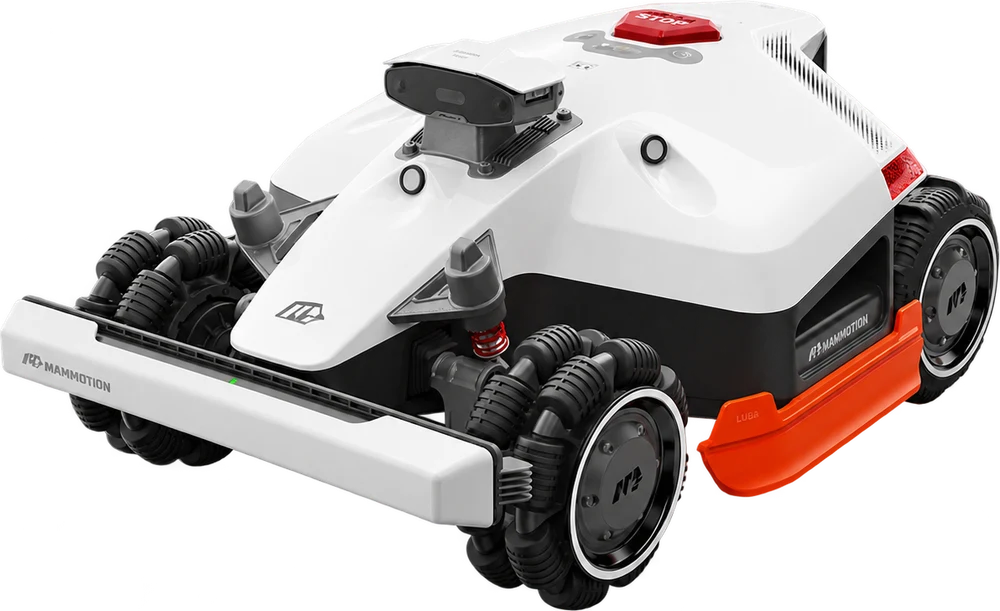
Mammotion LUBA 2 AWD
All-wheel drive for a more hands-off lawn.
Best for Uneven lawns and multi-zone gardens
Read the review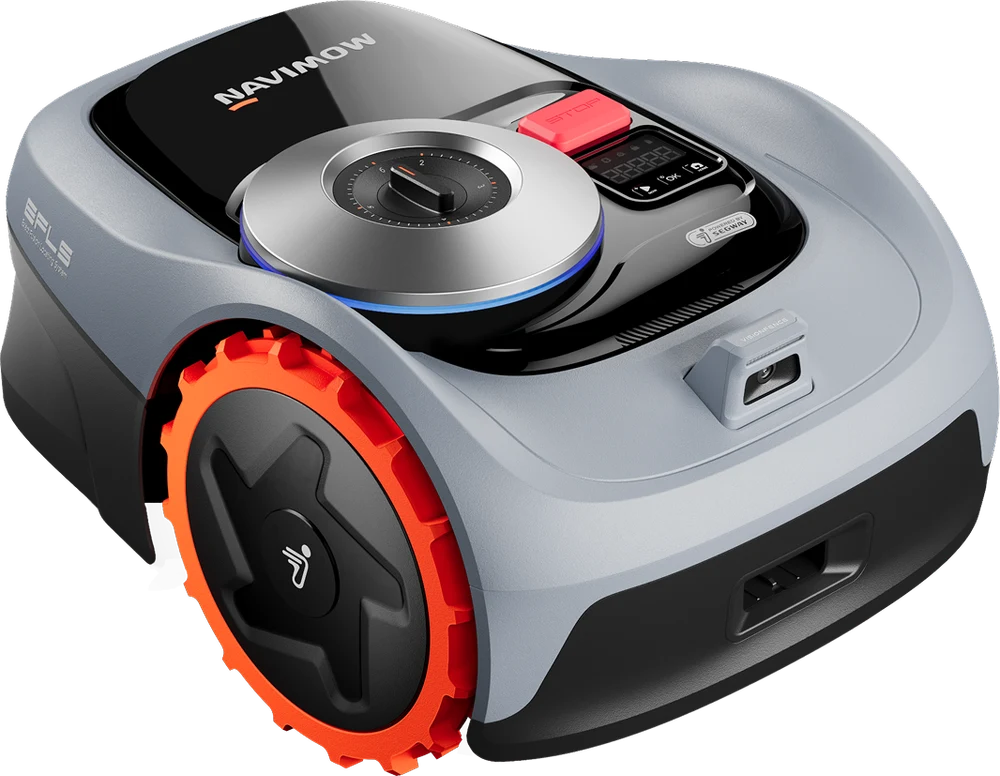
Segway Navimow i105
A considered starting point for smaller lawns.
Best for Smaller lawns within its rated coverage
Read the review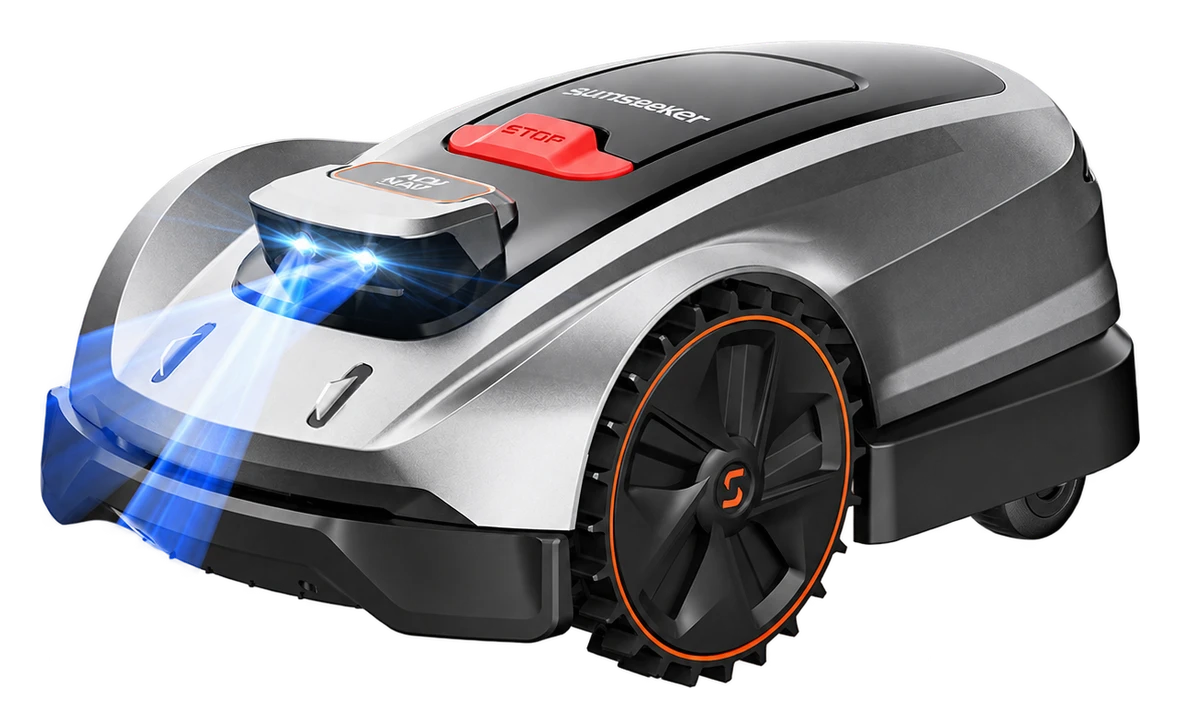
Sunseeker X3 Plus
Wire-free mowing for a more manageable weekend.
Best for Suburban lawns up to 0.3 acre with suitable navigation and dock placement
Read the review