
Robot mower, remote-control mower or ride-on: which is right for your land?
Autonomous robots, operator-driven remote-control mowers and ride-on mowers solve different problems. Here is how to choose by lawn size, slope and how much time you want to spend.
The quick answer
Choose a robot mower when you want a tidy lawn with almost no time spent, on grass of moderate size and slope. Choose a remote-control mower when you have steep banks, rough ground or large areas you want to mow from a safe distance while staying in control. Choose a ride-on for large, mostly level areas when you are happy to spend time mowing yourself.
Three different jobs
These machines are often compared, but they are built around different ideas. A robot mower trades power for frequency: it cuts a little, often, on its own. A remote-control mower is a powerful, operator-driven machine you steer from a distance, which lets it tackle slopes and rough ground. A ride-on puts you in the seat for fast coverage of large, level grass.
Side by side
| Robot mower | Remote-control mower | Ride-on mower | |
|---|---|---|---|
| Your time | Almost none once set up | You operate it throughout | You operate it throughout |
| Best terrain | Lawns up to moderate slopes | Steep banks, rough and uneven ground | Large, mostly level areas |
| Cutting style | Frequent light trims, fine mulch | Heavy cutting, often with mulch, bag or discharge | Fast cutting with bag or discharge |
| Setup | Mapping, dock and boundaries | Charge and go | Fuel or charge and go |
| Main limitation | Slope and capacity limits | Not autonomous | Unsafe on steep slopes |
When a robot mower makes sense
For most suburban lawns, a robot mower is the biggest quality-of-life upgrade. It keeps grass at a consistent height without anyone giving it a thought, and frequent light cuts tend to produce a denser, healthier-looking lawn. The limits are slope, very large areas and rough ground.
When a remote-control mower is the better tool
Steep embankments, ditch banks, orchards and rough fields are where remote-control mowers shine. Because you stand at a safe distance, you are not on the slope, and because you stay in control, the machine can handle conditions where an unattended robot would need far more margin. They also suit large areas you only mow occasionally, and many double as leaf collectors in autumn.
Combining them
Many larger properties use two machines: a robot mower for the main lawn that is cut every week, and a remote-control or conventional mower for the steep or rough areas cut less often. This often costs less than stretching one machine across ground it is not built for.
Your questions, answered.
Is a remote-control lawn mower autonomous?
No. You steer it from a distance throughout the job. It is designed for control on difficult ground, not unattended mowing.
Can a robot mower replace a ride-on mower?
For lawns within its rated area and slope, yes. For very large or steep areas, a ride-on or remote-control mower is usually still needed.
What is the best mower for a steep bank?
A remote-control slope mower is usually the safest choice, because you operate it from a distance rather than standing or sitting on the slope.
Ready to choose?
Robots we recommend in remote-control mowers
See all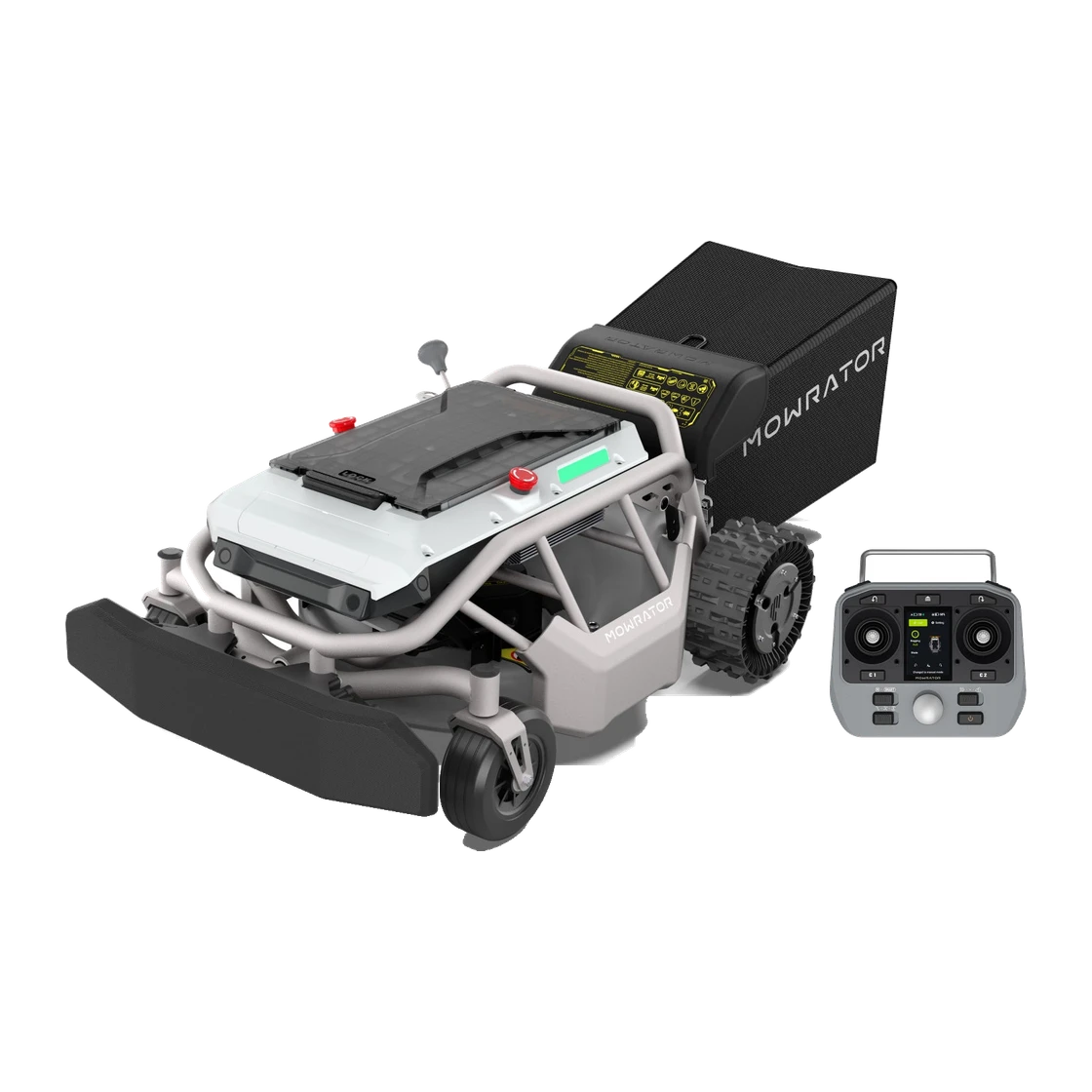
Mowrator EU S1 Leaf & Lawn 2WD 45% Slope
The entry point to Mowrator’s remote-control mowing, for large, gentler slopes.
Best for EU owners of large lawns and orchards with slopes up to about 45% who want a rugged remote-control mower and leaf vacuum at the lowest S1 price
Read the review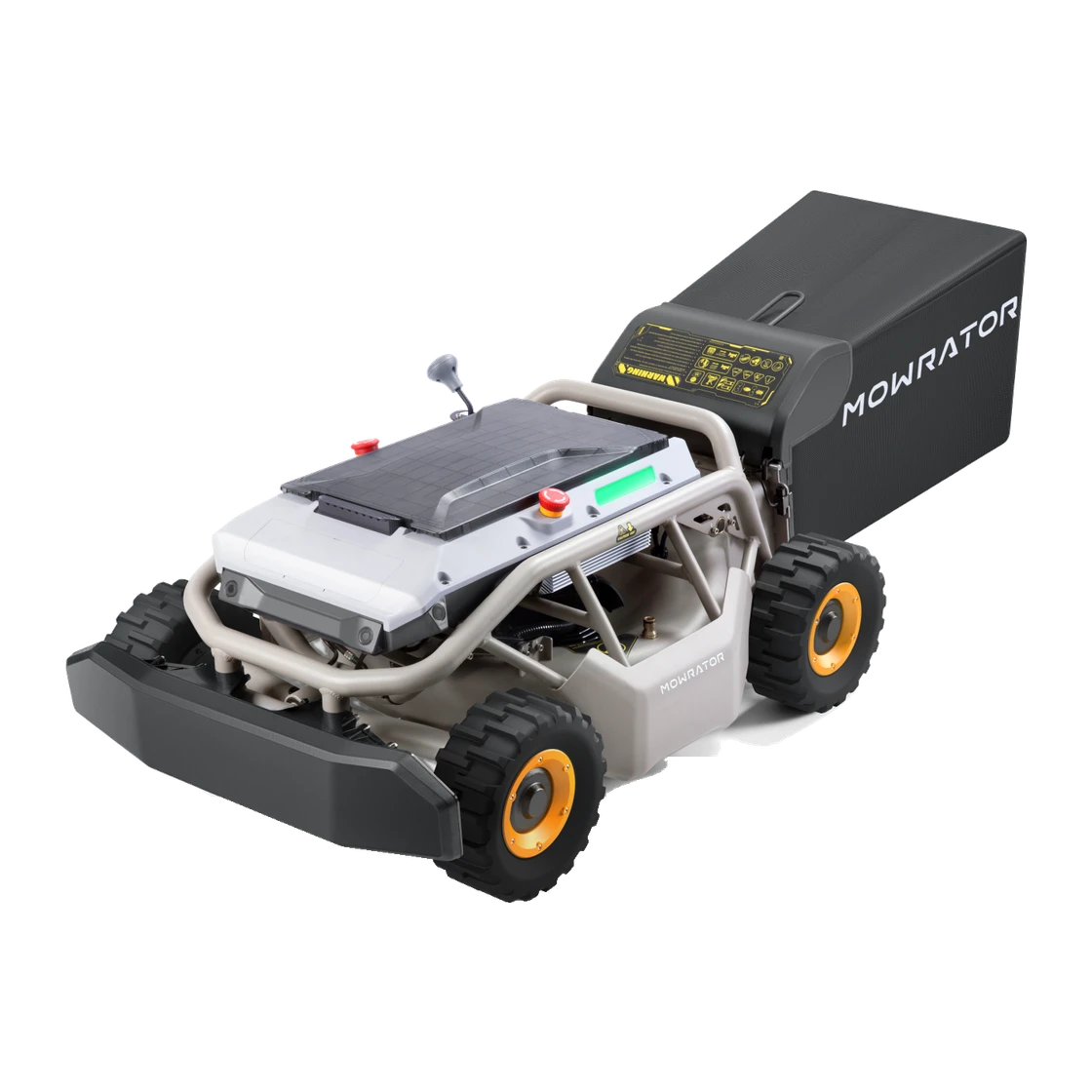
Mowrator EU S1 Leaf & Lawn 4WD 85% Slope
Remote-controlled mowing for steep ground, with an 18Ah battery for big properties.
Best for EU owners of steep, large or rough ground who want to mow from a safe distance and handle seasonal leaves with the same machine
Read the review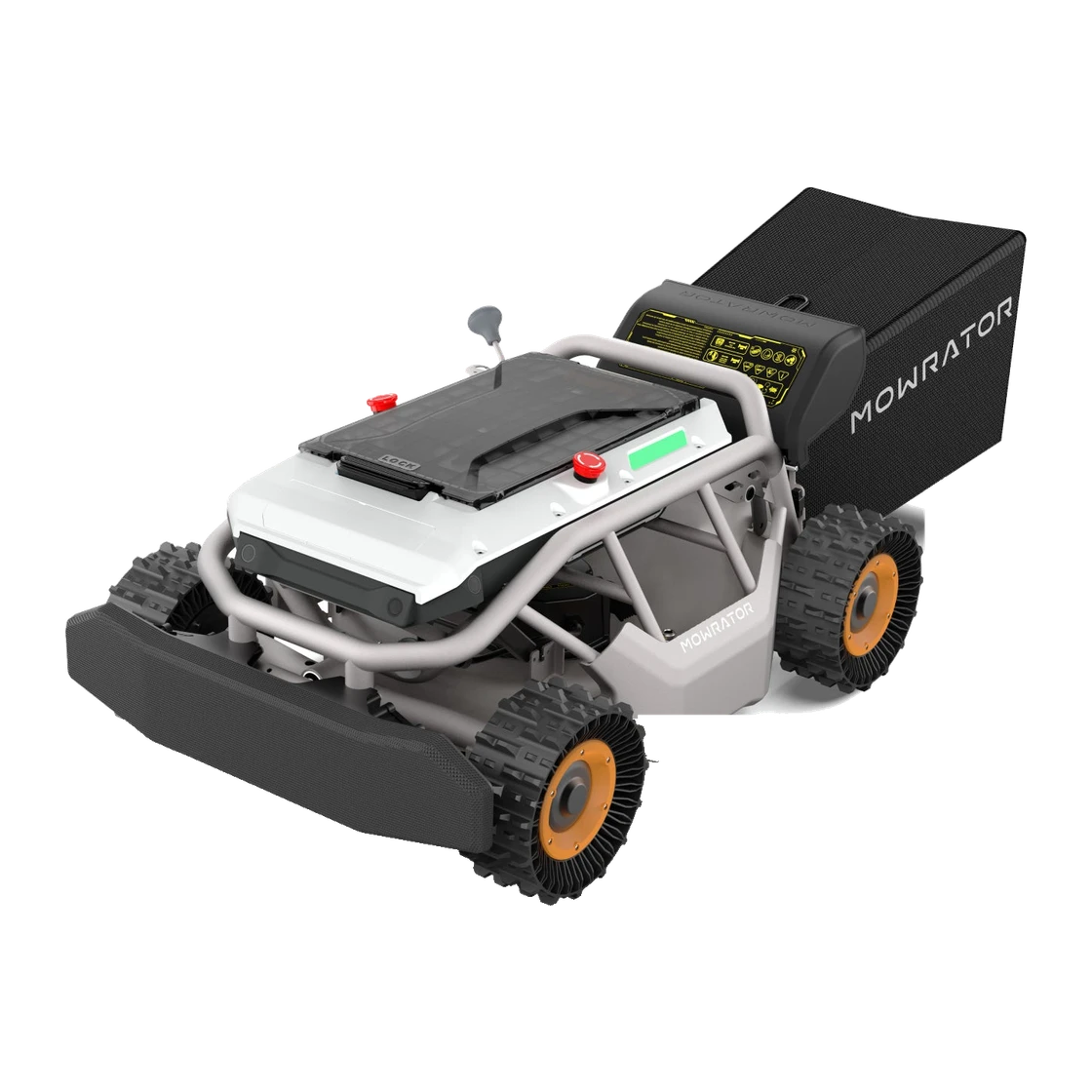
Mowrator EU S1 Leaf & Lawn 4WD 119% Slope
Remote-controlled mowing built for the steepest ground.
Best for EU owners of very steep banks, embankments or rough slopes who want to mow from a safe distance
Read the review