
Robot vacuum navigation: LiDAR, cameras and gyroscopes explained
How robot vacuums map your home, why LiDAR became the standard for mid-range and premium models, and where cameras and simpler sensors still fit.
The quick answer
Robot vacuums navigate with LiDAR, cameras or gyroscope and bump sensors. LiDAR spins a laser to map rooms accurately in any light, which is why it is standard on most mid-range and premium models. Camera-based systems map by recognizing features and can identify obstacles, but rely more on lighting. Gyroscope models clean in neat rows without a full map and suit small, simple spaces on a budget.
Why mapping matters
A robot vacuum that knows your floor plan cleans in efficient lines, returns to where it left off after charging, and lets you send it to one room, set no-go zones and schedule different rooms on different days. Without a map, it cleans by pattern and bumping, which works in a single open room but wastes time in a whole home.
LiDAR: the reliable standard
LiDAR robots carry a small rotating laser, usually in a turret on top, that measures the distance to walls and furniture many times a second. The result is an accurate floor plan that works in the dark and stays consistent from run to run. That reliability is why most mid-range and premium robot vacuums use it.
The turret adds height, which can stop a robot from fitting under low furniture. Some newer designs use retractable or side-mounted lasers to keep the body low. Measure the clearance under your lowest sofa or bed before you buy.
Cameras and obstacle recognition
Camera-based navigation (often called vSLAM) maps by recognizing visual features in the room. Many LiDAR robots also add front cameras or structured light purely for obstacle avoidance: spotting cables, socks and pet waste so the robot steers around them instead of dragging them along.
Camera systems generally need some light to map well. If you run the robot at night in a dark home, LiDAR is the safer choice. Cameras also raise reasonable privacy questions, so check how images are processed and stored.
Gyroscope and bump-sensor models
Entry-level robots use a gyroscope and wheel sensors to clean in rows, plus infrared and bump sensors to avoid walls and stairs. They do not build a persistent map, so room selection and no-go zones are limited. For a small apartment or a single room, they are an affordable way to automate daily cleaning.
What to choose
| Navigation | Best for | Keep in mind |
|---|---|---|
| LiDAR | Most homes; multiple rooms; cleaning in the dark | Turret height under low furniture |
| LiDAR plus front camera | Homes with cables, toys or pets | Privacy settings for the camera |
| Camera (vSLAM) | Well-lit homes | Needs light; check privacy handling |
| Gyroscope | Small spaces on a budget | No persistent map or room control |
Your questions, answered.
Is LiDAR better than a camera on a robot vacuum?
For mapping, LiDAR is generally more consistent and works in the dark. Cameras are valuable for recognizing obstacles, so many robots combine both.
Do robot vacuums with cameras record my home?
They capture images to navigate and avoid obstacles. Check the manufacturer’s privacy settings and how images are processed before buying.
Can a robot vacuum clean in the dark?
LiDAR models can. Camera-only navigation typically needs some light.
Ready to choose?
Robots we recommend in robot vacuums & mops
See all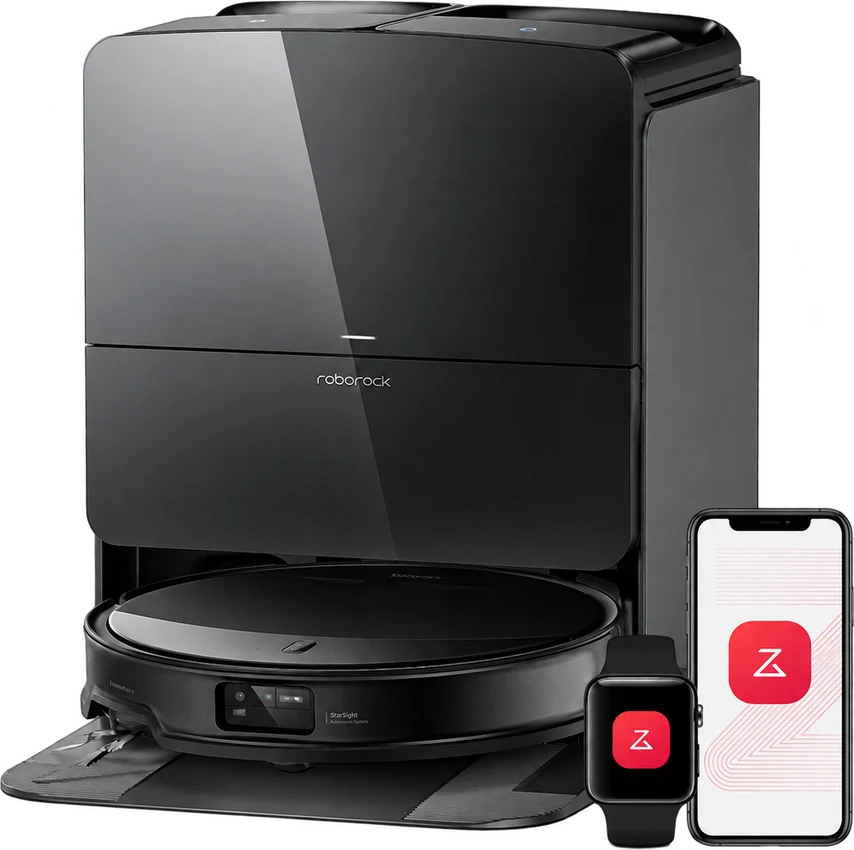
Roborock Saros 10R
A lower profile. A lighter cleaning routine.
Best for Mixed-floor homes with low furniture
Read the review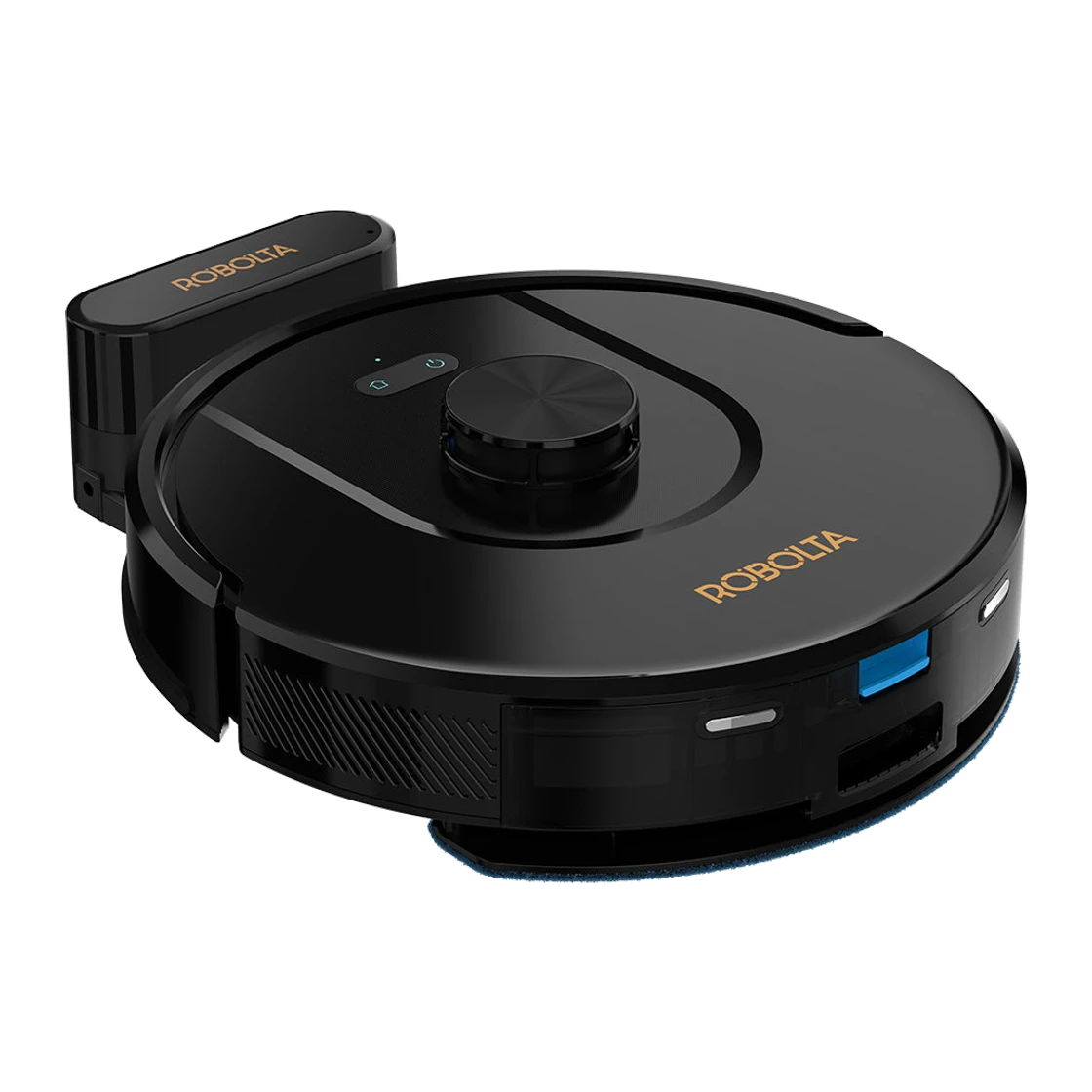
Robolta R2 Pro
LiDAR-mapped daily vacuuming and mopping with up to three hours of runtime, under ₹22,000.
Best for Indian homes that want scheduled, mapped floor cleaning at a modest price, and are happy to empty the dustbin by hand
Read the review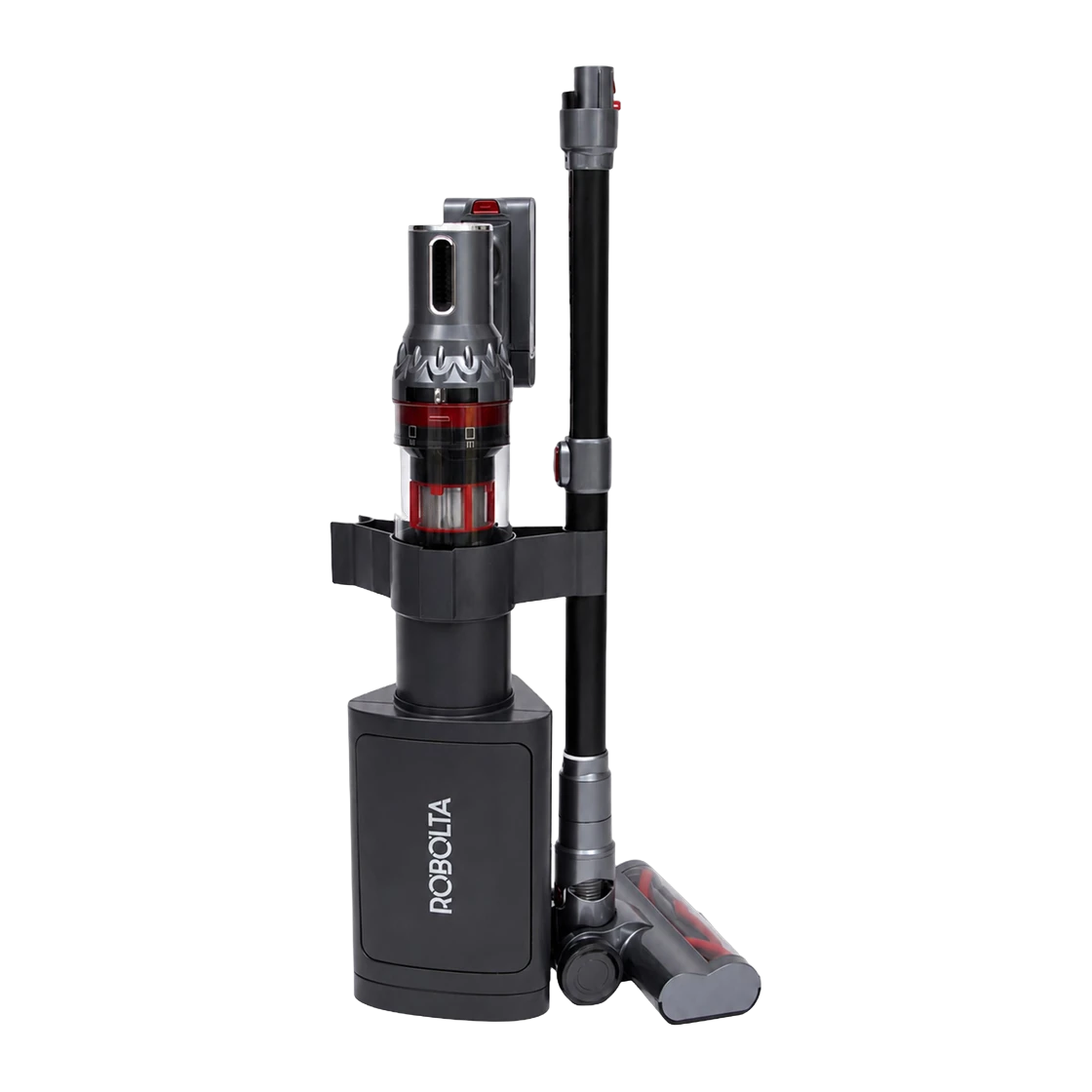
Robolta H4 Ultra
A cordless stick vacuum with 35 kPa suction and a station that empties its dust bin automatically.
Best for Indian homes that want strong cordless cleaning for floors, sofas and cars, and a dock that handles the dust
Read the review